To comply with a CAPA mandate, a large biotechnology company needed to unify sample data across closed and ongoing studies. Data was fragmented across 24+ vendors with no centralized oversight, driving gaps, inconsistencies, and rising operational risk.
The Solution
QuartzBio’s Sample Intelligence Solution was deployed as a unified data foundation with automated ingestion pipelines across all 24 vendors. AI-driven workflows enabled real-time harmonization, monitoring, and gap detection over a centralized, findable data asset.
The Outcomes
The CAPA was resolved by delivering a cross- functional single source of truth spanning 1M+ samples, with proactive detection of data gaps and vendor inconsistencies. The result was major cost avoidance (~$1M manual, >$5M regulatory) and a future-ready, automated data ecosystem.
https://quartz.bio/wp-content/uploads/2026/05/2026-QB-Logo_New-Brand-Update_QB-DK-Blue.png00Chandreyee Dashttps://quartz.bio/wp-content/uploads/2026/05/2026-QB-Logo_New-Brand-Update_QB-DK-Blue.pngChandreyee Das2026-09-04 11:07:022026-09-04 11:07:02Managing 1M+ samples with one unified, compliant platform
The starting gun: calling an end to batch-reporting
The FDA has unveiled two proof-of-concept real-time clinical trials (RTCTs) already underway with AstraZeneca and Amgen, alongside a Request for Information for a broader pilot program. The message from the FDA is blunt: sixty years of batch-reporting clinical data to the FDA is over. The agency wants to see safety signals and endpoints as they happen.
This shift toward continuous insight may certainly help get therapies to patients faster, an exciting prospect.
But that shift also represents an extraordinary operational demand, and most biopharma teams are not yet equipped to meet it.
The old model can’t keep up
The traditional clinical trial model is built around a relay race: sites collect data, sponsors aggregate it, and the FDA receives it months or years later. RTCTs, in theory, collapse that timeline to near-zero.
We say “in theory” because the underlying data infrastructure has been, and remains, the bottleneck.
Clinical sample collection logs scattered across labs and EDC systems. Biomarker results siloed by assay type or vendor. Shipment tracking in a spreadsheet. Query resolution handled over email. These fragmented workflows are fundamentally incompatible with real-time reporting.
Continuous trials raise the stakes further
For continuous trials — the FDA’s stated ultimate goal — the stakes are even higher than for RTCTs. When there is no pause between trial phases, there is no grace period to reconcile data, resolve discrepancies, or retrospectively reconstruct sample provenance. Every gap in your sample-to-result data chain becomes a gap in your regulatory submission.
The FDA’s Chief AI Officer noted that real-time trials could eliminate the costly hiatus between development phases entirely. That only works if data infrastructure is interoperable by design and if data quality is continuously maintained instead of periodically patched.
How to close the infrastructure gap
At QuartzBio, we built the first platform to close this infrastructure gap by connecting sample, clinical, and biomarker data across the R&D lifecycle.
By integrating data from various sources and systems across the entire lifecycle of a sample, the QuartzBio Platform creates a continuously validated, trusted data foundation for samples, the ultimate source of biologically derived insights.
This empowers teams to proactively monitor sample-related KPIs that, in real time, help ensure validity of the scientific insights being derived in a trial.
Samples are monitored from collection through processing, testing, and storage — with automated compliance monitoring, real-time discrepancy detection, and shipment tracking integrated directly with courier networks. If a sample is missed, collected out of protocol, or approaching stability expiration, it’s flagged immediately. Once samples are tested, our platform automatically ingests and harmonizes results across EDCs, central labs, and specialty labs into a unified, analysis-ready ecosystem. Rather than waiting for a data lock to begin QC, teams can run automated integrity checks and visualize biomarker signals as data arrives, improving trial execution on study.
That is the kind of continuous operational awareness RTCTs require.
Why agentic AI is the missing piece
Agency, or the ability of a system to ACT instead of just REPORT, is the defining capability of RTCT infrastructure. After all, if a system merely “reports,” waiting for humans to execute, we’re unlikely to see more than incremental acceleration of trials.
Continuous trials require software that autonomously and proactively monitors incoming data streams, identifies issues, initiates queries, tracks resolution, and surfaces emerging signals without waiting for a human to run a report.
Static dashboards are monitoring tools. AI agents are operational partners. QuartzBio’s proactive and prescriptive AI agents partner with subject matter experts, autonomously working across the sample and biomarker data ecosystem. Not only can these agents enable continuous feedback loops for better decision-making, but they also free human teams to spend their time on interpretation and innovation instead of data-wrangling.
The window is now
The FDA has demonstrated that real-time trials are technically feasible. In July, the FDA will release its pilot program selection criteria, and every clinical-stage biopharma team is under pressure to determine how their operational infrastructure can keep pace.
By redefining the way samples and their associated data are managed at scale, turning fragmented processes into a trustworthy data foundation, QuartzBio is setting up clinical organizations for success.
Connect with the QuartzBio team to assess your readiness for real-time and continuous trials, and to see how QuartzBio’s agentic framework provides the infrastructure R&D teams need.
https://quartz.bio/wp-content/uploads/2026/06/QB_LInkedIn_RTCT-Post_1200x1200_.jpg12001200Chandreyee Dashttps://quartz.bio/wp-content/uploads/2026/05/2026-QB-Logo_New-Brand-Update_QB-DK-Blue.pngChandreyee Das2026-06-23 09:28:452026-09-11 13:47:52Facing the FDA’s Real-Time Clinical Trial Mandate: How to Close the Infrastructure Gap
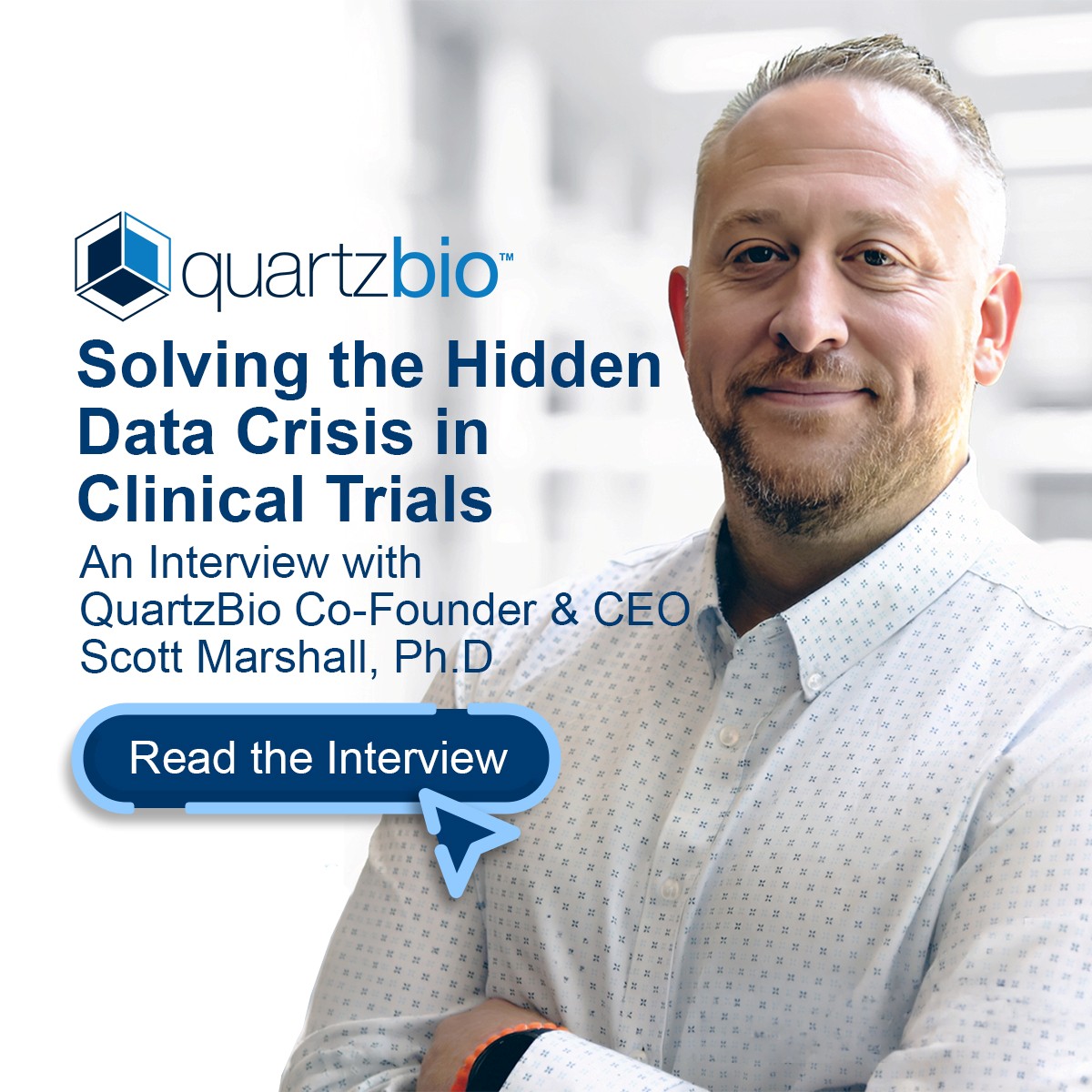
Scott Marshall, Ph.D., Co-Founder and CEO of QuartzBio has seen, first-hand, the need for better infrastructure to support the sample journey. It’s not something that can be fixed with more fragmented tools or manual workarounds.
Scott has spent years of working closely with clinical, sample, and biomarker operations teams, and he’s seen how quickly data, systems, and processes become disconnected as trials scale, creating inefficiencies, added risk, and delays.
The teams had tools, but those tools weren’t connected by a single, trusted foundation.
That realization ultimately led Scott and his co-founders to create QuartzBio, a SaaS platform designed to unify biospecimen, assay, and clinical data across the entire lifecycle.
We sat down with Scott to unpack the challenges he experienced, the factors that shaped the way he and his team built QuartzBio, and how the platform is now changing the way R&D teams manage and get value from sample operations in clinical trials.
Read the full conversation about the hidden data crisis on LinkedIn:
https://quartz.bio/wp-content/uploads/2026/06/Interview-with-Scott-Marshall-QuartzBio-CEO_.jpg12001200Chandreyee Dashttps://quartz.bio/wp-content/uploads/2026/05/2026-QB-Logo_New-Brand-Update_QB-DK-Blue.pngChandreyee Das2026-06-15 13:35:392026-09-11 13:45:08Solving the Hidden Data Crisis: An Interview with QuartzBio CEO Scott Marshall, Ph.D.
We’re excited to let you know about the new features and enhancements launched this month as part of QuartzBio’s first major platform release of 2026!
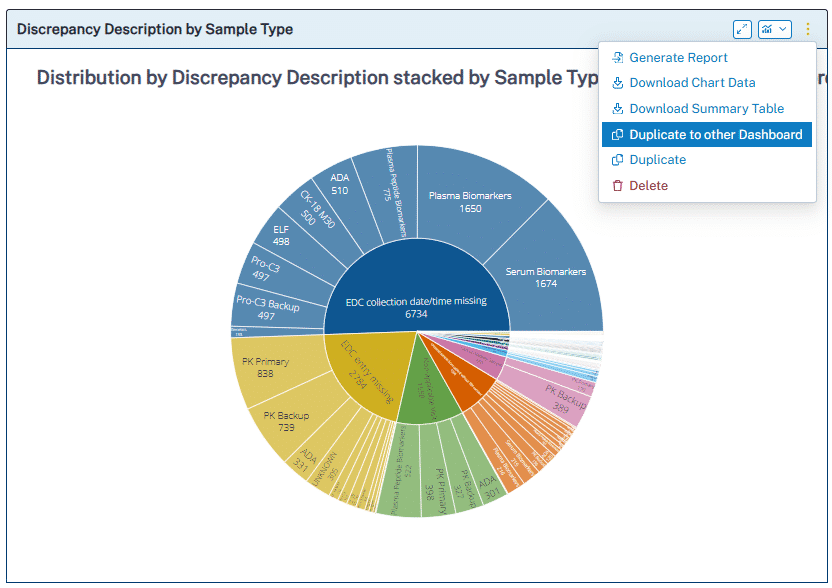
Copy Visualizations to Save Time: Have a favorite visualization you’ve worked hard to set up? You can now copy it to any dashboard you’ve created.
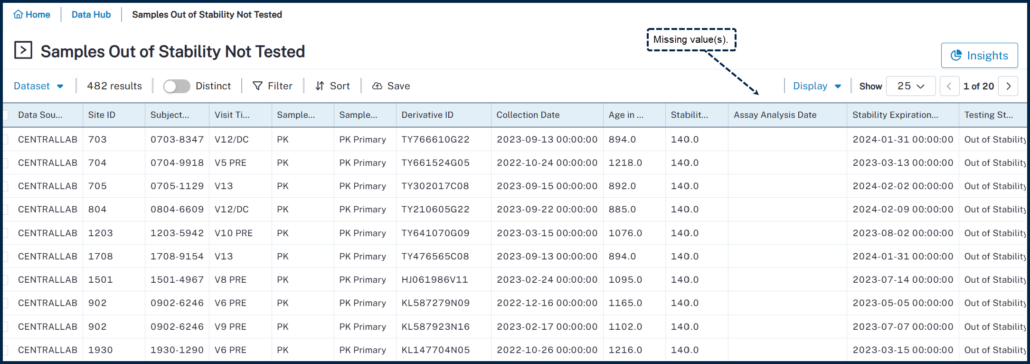
Stability Monitoring for Sample Intelligence: A new dashboard option makes it easier to visualize samples approaching stability expiration and those out of stability windows.
Faster Data Management: Download full folders with intact folder structures and automatically sync data from one vault to another.
Search Faster with Natural Language**: Run complex, structured searches without learning specialized query syntax, so you can find the right data more quickly and confidently.
**Only available for customers who have enabled AI-related functionality.
… and many more – current customers can log into the QuartzBio Learning Lab to view the complete release notes.
What’s coming next in QuartzBio’s technology roadmap? Contact us to discuss – we’re always open to hearing your ideas.
A Top 5 global pharmaceutical company managing more than 100 concurrent clinical trials came to QuartzBio seeking to increase their R&D pipeline capacity without having to add headcount. They needed to move faster, operate smarter, and scale rapidly, all while keeping compliance and data quality intact.
This case study follows their journey from fragmented, manual sample operations to a fully connected, AI-powered workflow. The study showed that automation and unified sample intelligence can deliver both immediate operational improvements and long‑term portfolio and team scalability across complex global clinical programs.
The Challenges
Managing biospecimens across dozens of global clinical programs posed operationally challenging, and the client’s sample operations teams were stretched thin. The tools and systems they were using were not keeping pace with their needs.
Three core pain points stood out:
Fragmented systems: Paper logs, spreadsheets, and disconnected platforms created silos that made it difficult to get a clear, unified view of sample data.
Time‑consuming manual workflows: Routine tasks like copy-pasting files, consolidating informed consent data, and reconciling records across systems consumed hours that could have been spent on higher-value work.
Lack of sample lifecycle visibility: Teams had no reliable way to track sample counts, flag missing samples, project upcoming collections, or confirm consent completeness.
The path forward required two things: (1) unified, harmonized data that all stakeholders could access, and (2) a measurable reduction in the manual effort required to keep that data current.
The Solution: QuartzBio’s Sample Intelligence Solution
The solution combines deep domain expertise in data management and sample lifecycles with compliant (21 CFR Part 11, GxP / ICH E6 (R3), GDPR, HIPAA) business intelligence. The secure, interoperable platform provides automated data ingestion, harmonization, query tracking, sample lifecycle monitoring, consent tracking, and real‑time analytics powered by AI agents to unify, monitor, and maintain high‑quality biospecimen data across studies and vendors.
Throughout the case study period, the Sample Intelligence solution delivered broad impact across four client use cases:
Use Case 1: 360° Sample Visibility
A harmonized Master Sample Inventory integrating lab, EDC, and consent data.
Full visibility into shipped, analyzed, missing, or stable/unstable samples.
Use Case 2: Sample Data Quality
Automated detection of discrepancies across files.
Automated query tracking, resolution insights, and root‑cause visibility.
Identification of previously unknown data issues, improving data integrity.
Use Case 3: Sample Collection Monitoring & Compliance
Identification of samples not collected and visibility into expected vs. collected counts.
Projections of upcoming sample collections.
Support for ICH E6(R3) through timely detection of compliance risks.
Use Case 4: Sample Logistics & Testing Monitoring
Real‑time tracking of sample status, location, and chain of custody.
Monitoring of sample stability, duplicate testing, shipments, and testing status.
Outcomes
The teams achieved dramatic efficiency improvements, including:
85% reduction in time spent on sample‑related tasks (Table 1)
100% detection rate for missing samples and automated query generation.
Significant reductions in data ingestion, reconciliation, consent tracking, and Excel®‑based processes.
Task
Time Required Without QuartzBio
Time Required With QuartzBio
Impact
Data ingestion & file creation
527 min
24 min
82% faster
Sample collection monitoring
120 min
2 min
98% faster • 100% missing sample detection
Query tracking automation
120 min
10 min
92% faster • 100% automated query generation
Manual Excel® manipulation
143 min
8 min
87% faster
Consent tracking completeness
40 min
5 min
88% faster • 100% consent documentation
Data reconciliation
120 min
3 min
98% faster
Table 1. Automated tasks accelerated sample management. Sample operations tasks were completed an average of 85% faster, with some tasks up to 98% faster.
Capacity Expansion*
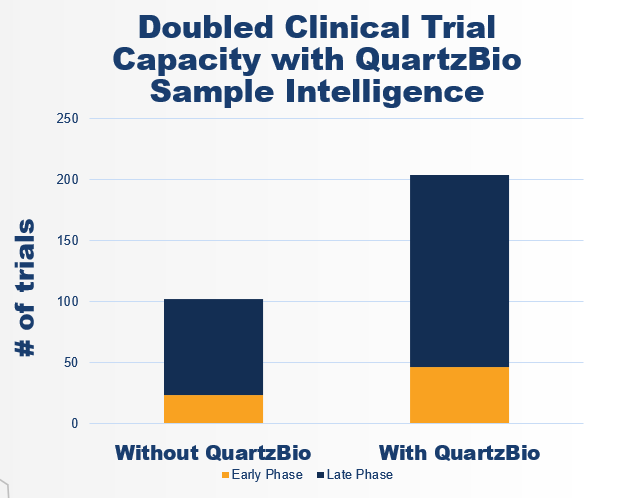
Because teams were spending dramatically less time on routine tasks, they could take on significantly more work — without adding headcount. Study capacity doubled across both early-phase (Phase I) and late-phase (Phase II/III) trials, representing an increase of 100+ trials managed by the same team (Figure 1).
Figure 1. Increased capacity: By implementing QuartzBio, the client increased their study capacity by 100+ trials without adding headcount.
Financial Impact**
The efficiency gains translated directly into cost savings. Using a fully loaded FTE cost of $250,000 (as cited by the client) and the observed 85% reduction in sample data management effort, the savings per study ranged from $196K to $283K, with a reliable planning midpoint of approximately $239K per study.
Scaled across a portfolio of 100+ trials, that represents the potential for hundreds of millions of dollars in efficiency gains — without compromising quality or compliance.
Qualitative Outcomes
Improved data quality, completeness, and timeliness of monitoring.
Earlier detection of issues that previously went unnoticed, reducing the risk of patient data loss
Strong cross-functional adoption, with 100% of users recommending the platform for continued use
In Their Words
At the close of the case study period, 100% of users reported that they would recommend the QuartzBio platform and Sample Intelligence solution. Here are a few of their comments:
“I was able to reduce manual reconciliation efforts and follow-up communications related to sample status and discrepancies.”
“Sample Intelligence (SI) was able to identify a pattern of data discrepancy– which identified a potential issue with our requisition form. That demonstrates the purpose of SI for our organization. No one had raised this as an issue previously–SI allowed us to identify this issue. This allowed us to fix a problem we wouldn’t have ever known about.”
Methodology
*Methodology used to calculate increased sample operations capacity:
Users reported the time required to complete key sample operations tasks before QuartzBio’s solution was implemented and again after implementation to quantify time savings. We then incorporated the proportion of a typical sample operations role dedicated to these tasks to determine realistic FTE impact. Finally, these reductions were applied across the existing trial portfolio to estimate the overall increase in capacity that the solution enabled.
**Methodology used to calculate financial impact:
We quantified the per-study financial impact of an 85% efficiency gain applied to sample data workflows. Using the typical team FTE range of 0.90 to 1.30 FTE, the reduction yields 0.765 to 1.105 FTE saved per study. When applying the fully loaded cost of $250,000 per FTE as cited by the client, the resulting savings ranged from $191,250 to $276,250 annually. The midpoint of this range—approximately $233,750—serves as a reliable single-value estimate for planning and forecasting.
Looking Ahead
This case study demonstrates that when sample data is unified, automated, and accessible in real time, teams can achieve 85% faster task completion, 100% missing sample detection, doubled study capacity, and more.
These savings emerge from reductions in manual reconciliations, vendor follow-up, data processing, sample inventory review, and cross-functional coordination. When scaled across multiple studies, this can create multi-million-dollar portfolio efficiencies, strengthen operational agility, reduce burnout risk, and enhance timelines for data-driven decisions.
Future case studies may explore additional downstream benefits, including reductions in manual errors, improved cross-functional collaboration, and faster overall R&D cycle times.
Learn how Sample Intelligence could amplify work for your team.
A 2025 TransCelerate + Tufts analysis across 105 Phase II/III protocols shows ~⅓ of procedures are non‑core—still work that sites/ops must manage—further inflating workload.
Syntheses from ICON and CRIO echo Tufts’ numbers (more procedures, sites, endpoints; more amendments), linking rising complexity to greater operational effort.
Operational footprint expands with study size (sites, recruitment, duration).
Nature’s analysis of 2,140 Phase III trials shows how large Phase III programs extend across more sites and recruit at slower per‑site rates—hallmarks of higher coordination and data/biomarker ops effort than earlier phases.
Roles that touch sample data are cross‑functional and scale with complexity.
EMA’s GCP Inspectors’ Reflection Paper on labs analyzing clinical‑trial samples details required controls around labeling, receipt, storage, chain of custody, validation, and data/IT—work that expands with sample throughput and vendor networks typical of later phases. [ema.europa.eu]
UKCRC guidance for Clinical Trial Units (CTUs) reinforces oversight and documentation expectations for labs and sample workflows under GCP—again indicating more moving parts = more effort.
Biospecimen management best practices formalize the non‑negotiable work (independent of ‘analytics’).
NCI Best Practices for biospecimens and ISBER Best Practices for biorepositories enumerate the end‑to‑end activities—collection, processing, shipping, storage, tracking, QA/QC, data management—required to keep sample integrity and traceability; as counts/timepoints/vendors increase by phase, so do these activities.
Workload/acuity models from the field validate the need to budget FTE by complexity, not just headcount.
ACRP’s peer‑reviewed article argues for complexity‑adjusted productivity models (beyond ‘patients per coordinator’)—the same rationale used to frame phase‑based FTE bands. [acrpnet.org]
SWOG (NCI network) and Mayo Clinic posters show practical workload sizing and CRC effort tools—evidence that programs estimate effort as protocol/site/sample complexity rises.
Analysis of screening, treatment and follow-up expenses, biological treatment per-patient costs can exceed $100,000.
Average per‑patient costs across phases: – Phase I average: $136,783 per patient – Phase I/II average: $155,340 per patient Source: ProRelix Research – “Phase-by-Phase Clinical Trial Costs Guide,” May 5, 2025.
Rare disease trial complexity and elevated operational costs: – Higher burdens due to limited patient pools, complex regimens, and recruitment challenges. Source: Rare Revolution Magazine – “Understanding the true cost of clinical trials,” August 4, 2025.
https://quartz.bio/wp-content/uploads/2026/05/2026-QB-Logo_New-Brand-Update_QB-DK-Blue.png00Chandreyee Dashttps://quartz.bio/wp-content/uploads/2026/05/2026-QB-Logo_New-Brand-Update_QB-DK-Blue.pngChandreyee Das2026-04-08 16:23:402026-08-27 16:11:05How a Top 5 Pharma Doubled Clinical Trial Capacity of Existing Teams
By Melinda Pautsch, Chief Commercial Officer, QuartzBio
I just returned from SCOPE 2026 with a familiar feeling—and a sharper sense of urgency. The conversations around biomarkers, biospecimens, and clinical operations weren’t about “doing things better” at the margins. They were about whether our operational foundations can keep up with what science—and regulators—are demanding.
Across sessions and panels, one idea kept resurfacing: biospecimens are no longer treated as physical materials moving through a supply chain. They’re treated as data—and that reframes everything from protocol design to chain of custody to the quality systems we need to prove we can trust what we generate.
Below are the themes that stood out, with pragmatic takeaways for biomarker operations, biospecimen operations, and clinical operations leaders who are trying to scale without taking on disproportionate risk.
1. “No more spreadsheets” isn’t a slogan—it’s a scalability requirement
If SCOPE had an award for “Most Vilified Operations Tool” it would be spreadsheets (followed closely by paper) as the silent accelerant of operational risk.
Brooke Samuelian of Syndax kicked off the topic of digitizing sample management, describing what many of us have lived: tracking specimens manually is time-consuming and error-prone, and failures cascade into missed collections, lost shipments, lab queries, protocol deviations, and even patient re-recruitment.
Michael Tanen of Merck was even more direct: moving away from Excel will be the single biggest leap forward—and with the rollout of the ICH E6(R3) GxP guideline, it won’t remain optional.
Operational takeaway: Digitization isn’t just about efficiency; it’s about avoiding preventable failure modes:
Mislabeling, misrouting, or “orphaned” specimens
Incomplete consent tracking that limits downstream use or creates compliance exposure
Lack of real-time visibility that forces reactive escalation
Manual updates that introduce inconsistency across stakeholders
Target outcomes: A digitized, connected sample workflow reduces the likelihood of wasted samples, protects patient intent, and improves first-time-right execution—the foundation for scalable biomarker strategy.
2. Risk management in modern clinical trials demands a proactive approach to operations
The compliance conversations at SCOPE, whether around E6(R3) or risk-based quality management in general, dove into the operational consequences of evolving regulations and increasing clinical trial complexity. Two points stood out.
First: risk monitoring is no longer passive or reactive. E6(R3) emphasizes active risk monitoring and expects sponsors and labs to show linkages and chain of custody.
At his presentation on Day 2 of SCOPE, QuartzBio’s CTO and Co-Founder, Tobi Guennel, PhD, showed how an agentic framework, powered by proactive and prescriptive AI, transforms clinical operations.
These AI agents proactively track sample logistics, flag inconsistencies, and issue alerts with actionable, corrective steps, reducing issues by >80%, accelerating milestones, and saving on average $150,000 per trial. (Note — the metrics presented were appreciated by the audience in an industry where the ROI of agentic frameworks is still elusive to many.)
Second: Speakers agreed that building a compliant foundation is crucial. If maintaining end-to-end visibility across the sample chain of custody isn’t addressed during protocol design, teams are likely to inherit the downstream consequences—with fewer options and higher cost.
Operational takeaway: Treat biospecimen strategy as a front-end design input, not an execution detail:
Identify which samples are “critical” vs. nice-to-have
Build chain-of-custody expectations into vendor and lab selection
Make reconciliation a mandatory step for maintaining data quality
Target outcomes: Traceability and governance reduce inspection risk, protect data integrity, and prevent downstream surprises that derail timelines.
3. AI without interoperability doesn’t fix broken, disconnected data
Several AI-focused discussions were refreshingly grounded. One panelist captured what many are feeling: before we can use AI to unlock visibility, analytics, and actionable insights, we need to build interoperable ecosystems of clean, connected operational data. AI doesn’t fix broken data. It amplifies whatever foundation you have.
Operational takeaway: Prioritize technologies that FAIRify data at its foundation over pilots that promise insights without addressing underlying data chaos.
Avoid “death by pilots” that never scale or win sustained budget
Connect the data value chain: consistent metadata, governed transfers, and linked workflows
Make it easy for teams to find information, validate status, and forecast availability
Target outcomes: Deep data FAIRification improves on-time delivery, reduces fire drills, and enables smarter planning—so teams can redirect effort from tracking work to advancing science.
Sample Intelligence: the operating system for biomarker and biospecimen strategy
I’ll keep one quote from SCOPE as my guiding light for 2026:
“Every sample is more than a vial—it carries a patient’s hope, a researcher’s trust, and the promise of better medicine. Tracking it with precision is not just compliance; it’s compassion.” –quoted by Dmitri Mikhailov, PhD, Novartis Institutes for BioMedical Research.
Operational leaders are being asked to deliver that precision at scale—across protocols that are more complex, ecosystems that are more distributed, and regulatory expectations that are more explicit. The path forward isn’t a single tool or another point solution. It’s connected Sample Intelligence: end-to-end visibility, governed chain of custody, standardized metadata, and interoperable systems that treat biospecimens as the strategic data assets they are.
Let’s talk about what “future-ready” looks like for your team
If you’re evaluating how ready your current operations are for E6(R3), advanced analytics, or simply the next wave of complexity, I’d welcome a conversation. Reach out to connect with me about:
Evaluating your current sample management workflows and where friction is hiding risk
Assessing gaps across your biomarker and clinical data ecosystem (visibility, governance, reconciliation)
Exploring how greater sample intelligence can support scalable, inspection-ready, decision-confident operations
https://quartz.bio/wp-content/uploads/2026/02/QB_Linkedin_3takeaways_1200x1200.jpg12001200Melinda Pautschhttps://quartz.bio/wp-content/uploads/2026/05/2026-QB-Logo_New-Brand-Update_QB-DK-Blue.pngMelinda Pautsch2026-02-09 20:13:022026-09-11 13:46:27“No More Spreadsheets by This Time Next Year” and Other Takeaways from SCOPE 2026
On Demand
Duration: 30 minutes
What you’ll learn:
Thousands of data issues plague the average clinical trial — and 75% of them slip through traditional reconciliation processes. The results: delayed decisions, compliance risk, compromised biomarker integrity, and operational strain across sites, labs, and submission teams.
Tune in to learn how QuartzBio’s agentic framework, powered by proactive and prescriptive AI, is redefining operational intelligence across biospecimen and biomarker lifecycles. Our Sample Intelligence AI Agents monitor samples, detect emerging issues, automatically flag root causes, and deliver actionable, corrective guidance directly to teams through a secure, personalized Virtual Assistant—enabling faster intervention and fewer surprises.
Tobi Guennel, Ph.D., QuartzBio Co-Founder and CTO, will demonstrate how our agentic framework:
Enables real-time decision-making across trial workflows
Reduces data issues and compliance risks by over 80% before they impact timelines
Facilitates compliance with ICH E6(R3) and other regulations by automating data federation, ensuring data integrity, and managing governance.
Protects biomarker and biospecimen integrity, from chain of custody to downstream analytics
QuartzBio’s AI agents empower R&D teams to shift from manual oversight to strategic innovation—shortening trial timelines, improving regulatory adherence, and driving operational excellence across the R&D value chain.
Who should attend:
Biomarker Operations and Biospecimen Operations Teams
Clinical Operations Teams
Regulatory Compliance and Quality Teams
Translational Scientists
https://quartz.bio/wp-content/uploads/2026/01/QuartzBio-Webinar-AI-Agents-Mitigate-Risk-2026.jpg25002500Chandreyee Dashttps://quartz.bio/wp-content/uploads/2026/05/2026-QB-Logo_New-Brand-Update_QB-DK-Blue.pngChandreyee Das2026-01-22 13:53:392026-09-03 13:23:53Webinar — Compliance in the AI Age: How Intelligent Agents Mitigate Risk
This week, as part of our v13.0.0 major release, our customers gained access to the expanding QuartzBio Learning Lab – a centralized, easy-to-navigate hub for training, product documentation, and updates.
Flexible, On-Demand Access: Users can complete training anytime and anywhere, minimizing disruption to daily operations.
Role-Based Learning Paths: Targeted content aligned with specific use cases ensures relevance and efficiency.
Compliance Assurance: Track training completions and maintain audit-ready records to meet regulatory requirements with confidence.
Highlights of other new features launched in v13.0.0:
Sharable Homepages for Better Collaboration: Align teams and stakeholders with custom homepages that you can share at user or organization levels.
Snowflake Integration for Faster Insights: Experience seamless interoperability with your Snowflake data environment and perform advanced data operations.
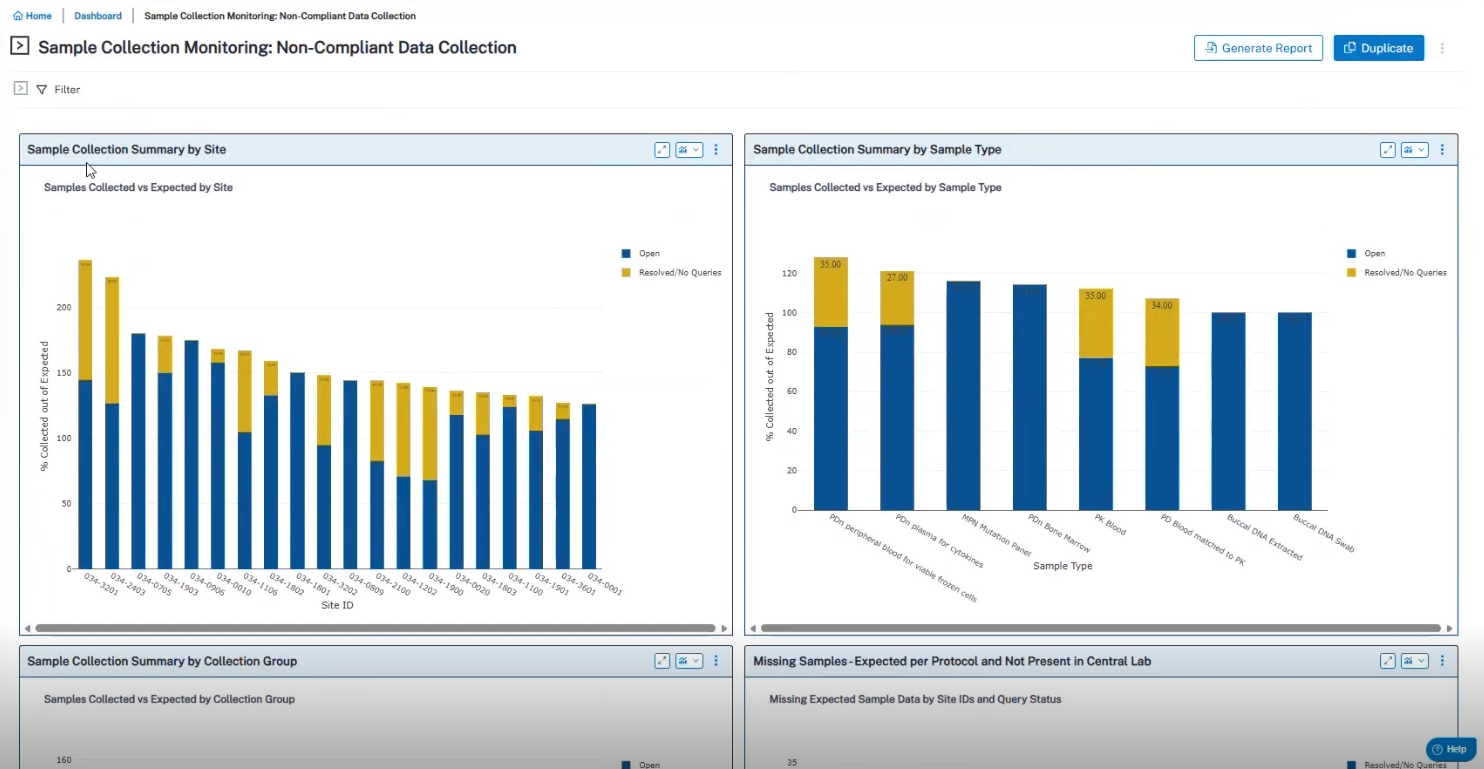
New Dashboards for Sample Intelligence: Get more visibility into non-compliant collections and future collections, to keep trials on track (Figure 1).
Mutation Data Access for Richer Analyses: Perform more detailed analysis of genetic variations.
Figure 1. New Non-Compliant Data Collections Dashboard features 6 configurable visualizations that make it easy to monitor missing, partial, and out-of-protocol sample collections.
What’s coming next in QuartzBio’s product roadmap? Contact us to discuss – we’re always open to hearing your ideas.
ICH E6(R3) is here, and places significant responsibility on sponsors to maintain quality across sample and biomarker data lifecycles. Both noncompliance and compliance have serious costs.
Disconnected sample and biomarker data workflows may be invisibly driving up costs of compliance, given that an average clinical trial can encounter tens of thousands of data issues, depending on the phase and complexity.
Request our white paper to see our breakdown of the costs associated with achieving and maintaining compliance using traditional processes and point solutions.
You’ll also learn how QuartzBio’s platform approach transforms compliance processes, helping customers lower costs immediately, reducing compliance issues and data problems by over 80%.
https://quartz.bio/wp-content/uploads/2025/10/LinkedIn_ICH-White-Page_1200x1200_Update-1.jpg12001200Chandreyee Dashttps://quartz.bio/wp-content/uploads/2026/05/2026-QB-Logo_New-Brand-Update_QB-DK-Blue.pngChandreyee Das2025-10-30 13:59:512026-09-11 13:47:13Revealing the true costs of ICH E6(R3) compliance & noncompliance
If you’re a current customer, please reach out to your QuartzBio Project Manager to learn more about accessing these features!
Highlights of What’s New:
Larger file sizes (uploads can be up to 200 Gb or more) improve support for large data sets and multimodal insights.
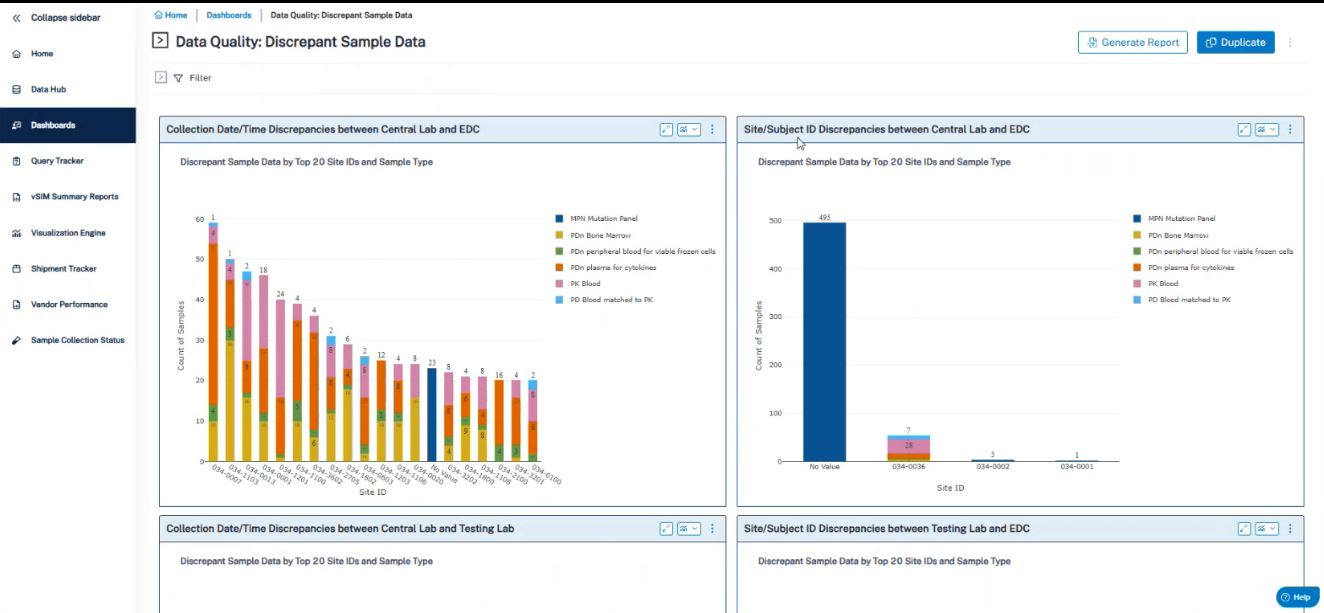
Dynamic sample analytics: Flexible new Sample Intelligence data tables and dashboards, including new data quality dashboards (Figure 1), provide a user-friendly alternative to static HTML reports.
More accurate sample forecasting: Project visits beyond study end dates.
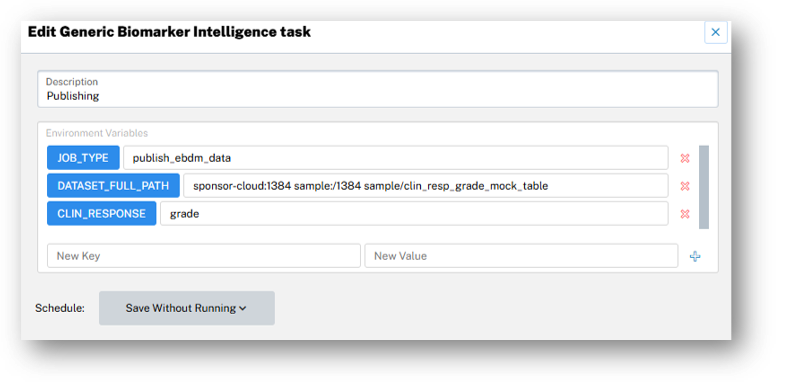
Richer insights: Detailed clinical response data available in Biomarker Intelligence data tables. You can now publish clinical response data types “status” and “grade” to your analysis-ready data asset (Figure 2).
Figure 1. Examples of new sample data quality dashboard options: Gain insights into discrepancies in sample data across multiple systems (Central Lab, Testing Lab, EDC) to support data quality and integrity in clinical studies.
Figure 2. Clinical response “Grade” and “Status” are now options for adding to your Biomarker Intelligence data tables. These values can then be used for analysis via swimmer and waterfall plots, for rich clinical insights.
What’s coming next in QuartzBio’s product roadmap? Contact us to join our upcoming Innovation Summits — we’ll be gathering input from sponsor teams and sharing previews of new features.