One clinical sample data layer. Fewer integrations. Lower governance risk.

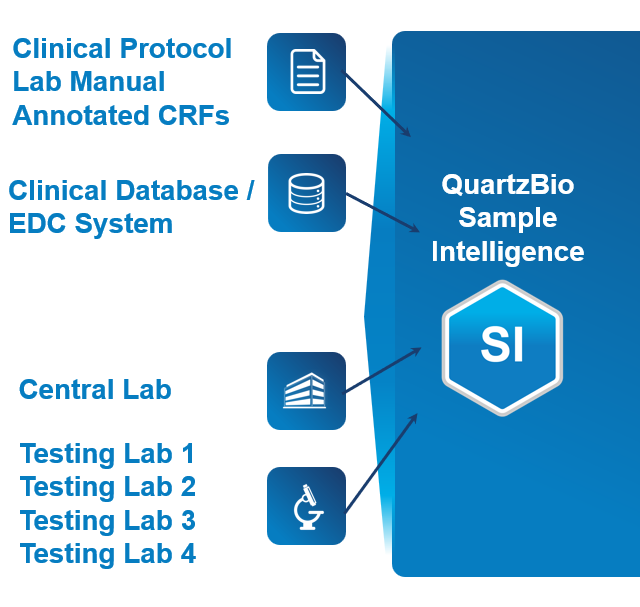
QuartzBio Sample Intelligence closes the clinical sample data governance gap in your R&D architecture, empowering lean IT teams with a platform that’s vendor-agnostic and harmonizes data upon ingestion.

View the hidden costs of fragmented sample data in clinical trials:
Drowning in integrations and disconnected sample data?

R&D IT teams are under pressure to support more vendors, more studies, and more data—without more resources.

But sample data introduces constant friction:

  • Each new vendor adds new formats and integration work
  • Fragmented systems create inconsistent and unreliable data
  • Custom pipelines require ongoing maintenance and fixes
  • Governance gaps create hidden risk

The result: growing integration backlogs, rising tech debt, and less time for strategic work.

How R&D IT leaders close the architecture gap with Sample Intelligence:

  • Simplify integrations without rebuilding
    Add a harmonized data layer—no need to replace existing sample tracking systems.
  • Reduce integration overhead immediately
    Eliminate custom pipelines and repeated transformations for every vendor.
  • Take control of fragmented sample data
    Harmonize and formats, identifiers, and governance across all sample sources.
  • Onboard new vendors and studies without increasing IT burden or headcount.

If you’re ready to fix data architecture problems at their source and regain freedom to innovate and scale, explore Sample Intelligence.

Case Study: How a top biopharma doubled trial capacity and eliminated hidden data loss

“With QuartzBio, we spend 85% less time on sample-related tasks.”
–Top Biopharma

A top biopharma discovered that outdated sample ops workflows were putting their pipeline at risk.

With QuartzBio, they eliminated fragmented systems with a unified data layer—reducing manual workload, accelerating time-to-revenue and enabling scalable growth.

  • Harmonized APIs across all vendors →less IT burden
  • 90% reduction in data wrangling → increased operational efficiency
  • No re-architecture required → minimized disruption risk
  • Improved interoperability →fewer brittle integrations and ad hoc requests

Evolve your architecture—without rebuilding it.

In 15 minutes, we’ll help you identify where integration overhead is slowing your team, and how to simplify your architecture without adding complexity or replacing systems.

Identify the biggest data architecture risks in your sample ecosystem: